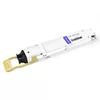
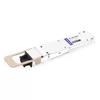
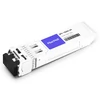
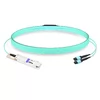
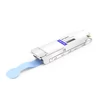
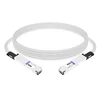
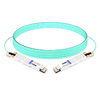
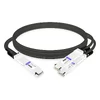
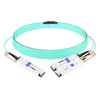
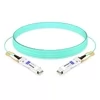
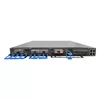
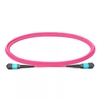
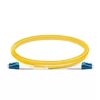
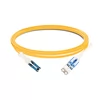
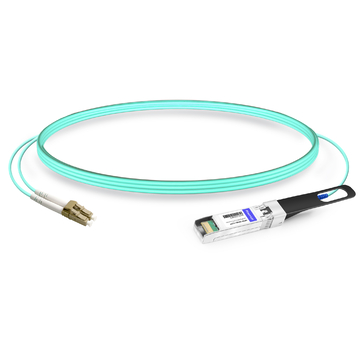
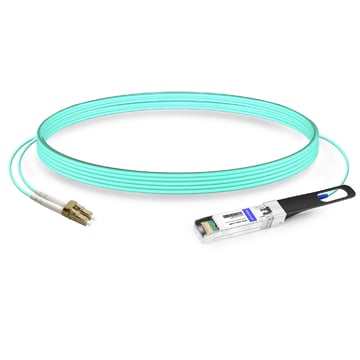
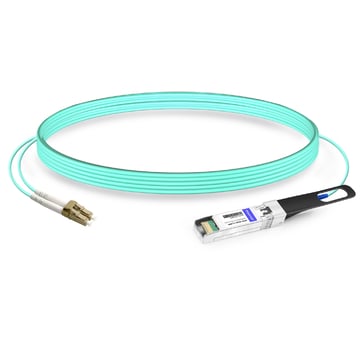
25G SFP28 Optical Cable for Immersion Liquid Cooling
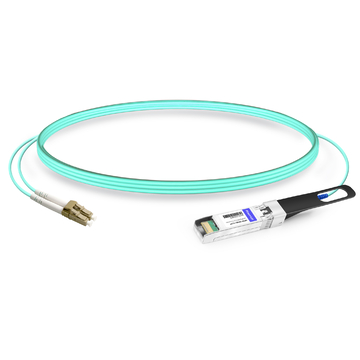
25G SFP28 fiber optic cable for immersion liquid cooling is a revolutionary technology that significantly improves the efficiency of deploying advanced networks in harsh environments. Its application in extreme cooling environments ensures optimal data transmission conditions, meeting the innovative needs of modern data centers.
Introduction to 25G SFP28 Optical Cables and Immersion Liquid Cooling
Cables of this type enable the transmission of huge amounts of data in harsh conditions where cooling is necessary, such as immersion liquid cooling systems in electronics. Designed to conform to the 25 Gigabit Ethernet standard, this type of cable provides efficient connections with low latency. Immersion liquid cooling, which immerses electronic equipment into a dielectrically safe fluid, resolves the problem of excessive heat generation in high-performance data centers. 25G SFP28 cables were designed and constructed, like many cables in a similar framework, to ensure proper support and durability when used with liquid cooling systems. Together they support energy-saving, cost-effective practices and the construction of high-end optical networks.
Overview of SFP28 optical cables.
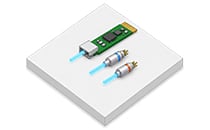
SFP28 fiber optic cables are designed to transmit data at speeds up to 25 Gbps and above, which fits well in modern high-speed network environments. These are upgrades of SFP+ technology with better signal quality, lower latency, and fewer bit errors caused by noise. Uses of SFP28 include 25G Ethernet, data center interconnects, and Fibre Channel applications.
The cables may be used with a variety of physical media, including single-mode and multi-mode fiber, allowing transmission over short, medium, and long distances. They are also designed to be sturdy and can be used with the SFP+ interface without the need to reconstruct any existing system. Some distinguishing characteristics of SFP28 cables are their low power usage, compact size, and adherence to rigorous standards, e.g., IEEE 802.3by, SFF-8402.
Key Features of 25G SFP28 Optical Cables for Immersion Cooling Systems
Certain factors make 25G SFP28 optical cables particularly suitable for use with immersion cooling or other liquid cooling systems. These cables are wrapped in thick plastic jacketing that is highly resistant to heat and chemicals, making them ideal for use in liquid cooling systems. The compact optical modules help with space management, which is vital in crowded data centers. SFP28 cables also support extremely fast data transmission of up to 25 Gbps that is required for HPC. They are also industry-standard IEEE 802.3 compatible, ensuring interoperability with various network devices. In immersion cooling systems, they are used because of their low heat generation, which reduces energy consumption and long-term costs.
High-speed data transfer capabilities.
SFP28 cables are built with advanced high-speed transmission capability to suit modern data centers and enterprise networks. Using reliable and lossless signal transmission of up to 25 Gbps per channel, SFP28 cables allow devices to communicate quickly and reliably. Their construction minimizes attenuation and reduces electromagnetic interference, thereby improving performance over longer distances. In addition, SFP28 cables are backward compatible with SFP+ ports, enabling providers to upgrade existing systems without major changes for future expansions. Therefore, SFP28 constitutes an effective solution for applications requiring low latency and high speeds, including cloud facilities, 5G wireless technology, and ultra-low-latency trading systems.
Benefits of Using 25G SFP28 Optical Cables in Immersion Cooling Environments
The deployment of 25G SFP28 optical cabling in liquid cooling applications has several key benefits. These cables feature low latency and are optimized to achieve fast data transmissions. Being fiber optic instead of copper, they are not susceptible to electromagnetic interference – network performance will not be disturbed. In addition, such cables have excellent temperature tolerance and will not degrade in very high or low temperatures common in immersion systems. The small size of the SFP28 modules allows for easy installation in high-density servers, greatly reducing space requirements. Lastly, due to their low power profiles, these optical solutions save more energy in modern high-performance computing environments. In summary, 25G SFP28 optical cables present a practical, efficient, and scalable solution that fits today’s liquid immersion cooling environments.
Reduced risk of signal interference in liquid media.
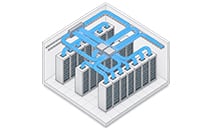
Signal interference problems are often encountered in data centers, particularly those using full immersion cooling. Such issues can be avoided by adopting 25G SFP28 optical cables. Optical cables, compared to electrical copper cables, do not use electric current to transmit signals; instead they transmit using light, which is not prone to interference, especially in environments with conductive liquids or dense electronics. Furthermore, the design of SFP28 optical systems supports high density as required by complex heat dissipation in immersion systems and ensures accurate data transfer over selected distances. This lack of interference reduces operational issues and ensures continuous high-speed data flow required by computationally intensive systems.
How Immersion Liquid Cooling Impacts the Performance of 25G SFP28 Optical Cables
Creating a stable thermal environment using immersion liquid cooling greatly increases the performance and reliability of 25G SFP28 optical cables. It keeps temperatures under control by effectively removing heat generated during operation. Reducing thermal stress prevents issues with signal degradation or latency. Moreover, since there is no airflow in immersion cooling setups, there is no dust infiltration or fouling in the optical modules that could inhibit connectivity or cause damage over time. As a result, in addition to supporting the high bandwidth and low power consumption of 25G SFP28 cables, immersion liquid cooling also increases their longevity under heavy computational workloads.
Interaction between liquid cooling agents and optical cable materials.
The impact of specific liquid cooling fluids on optical cable materials depends primarily on the compatibility between the coolant and the cable’s material composition. In recent designs of optical cables, including those for 25G SFP28, cladding and jacketing materials have been introduced to improve resistance to chemical attack. However, not all cooling agents are suitable for all cables. Dielectric liquids such as synthetic esters or mineral oils are preferred because they cause little or no damage to cables and devices over time. Water-based liquids can cause swelling and corrosion if the cable materials or additives are incompatible.
Choosing the Best 25G SFP28 Optical Cable for Liquid Cooling Applications
Key factors for 25G SFP28 cables in liquid cooling include the dielectric materials’ ability to withstand chemical degradation and swelling when immersed in coolants. The outer jacketing must be sealed and robust enough to protect the inner core from liquid seepage, and must have good temperature and moisture ratings.
Critical specifications to evaluate (e.g., transmission distance, power consumption).
Transmission Range: Evaluate the maximum cable length where the signal propagates without loss. This is determined by the medium (fiber optic or copper) and signal technology used. Fiber optics allow long distances of up to 10,000 m with single-mode fibers, whereas multi-mode fibers are limited to shorter distances, normally up to 1,000 metres.
Energy Efficiency: Measure average and peak power consumption to stay within power budgets and reduce costs. Lower energy usage produces less heat.
Throughput: Examine the bandwidth and maximum supported data transfer rates, as these directly impact system performance. Modern fiber optic systems can support up to 400 Gbps depending on the cable and protocol.
Environmental Resistance: Check operating temperature, humidity, ingress protection (IP rating), and other factors. Compliance with ratings like IP67 or IP68 is important for harsh environments.
Protocol Compatibility: Verify compatibility with relevant protocols (Ethernet, Fibre Channel, etc.) for use without additional adapters.
Frequently Asked Questions (FAQs)
Can regular SFP28 cables be used in immersion liquid cooling?
Yes, but it should be verified that the cables and connectors are specifically constructed with materials suitable for prolonged exposure to immersion coolants. Otherwise, the cables may suffer degradation and reduced usability.
What is the best way to ensure optimal use of 25G SFP28 Optical Cables in immersion cooling?
The outer jacketing should be durable, and selection should be based on compatibility with high temperatures and specific coolants. Routine inspections and replacement of worn components are also recommended.
For SFP28 optical cables used in liquid cooling applications, are there industry standard certifications that serve as guidelines?
It is advisable to look for measures such as RoHS (Restriction of Hazardous Substances), CE marking, and relevant IEC standards for optical cables. This helps confirm that the cable meets normal thermal, electrical, and physical quality standards.