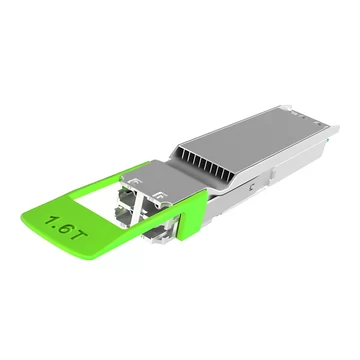
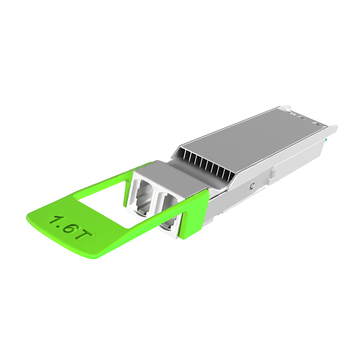
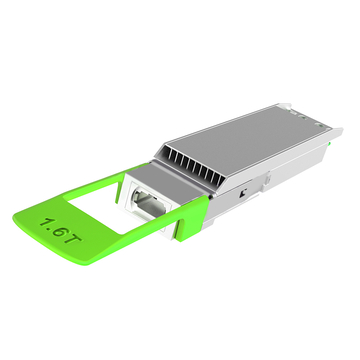
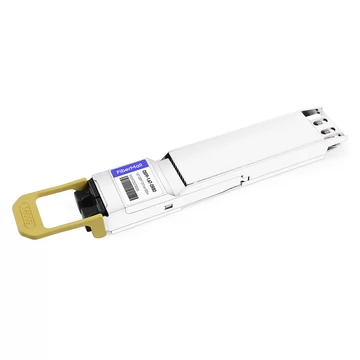
Understanding 1.6T OSFP Technology
What is 1.6T OSFP?
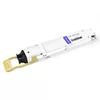
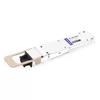
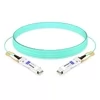
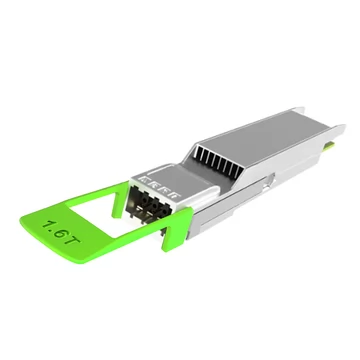
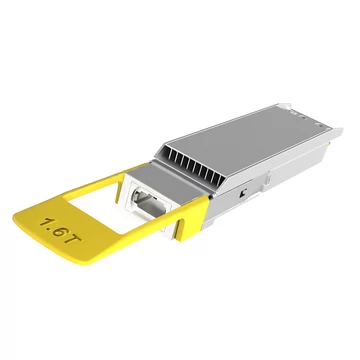
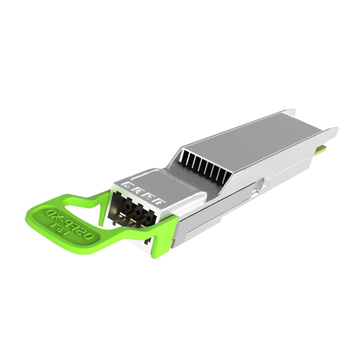
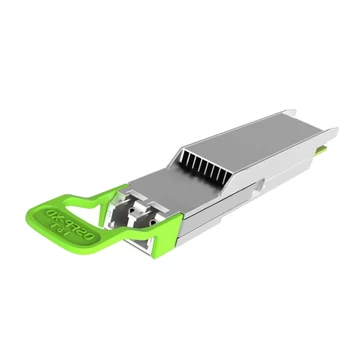
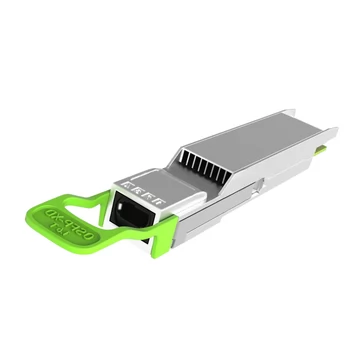
The 1.6T OSFP (Octal Small Form Factor Pluggable) optical transceiver system represents an advanced transmitter solution which fulfills the increasing requirements of modern data centers and telecommunications networks for rapid data transmission. The system achieves a remarkable 1.6 terabits per second (Tbps) bandwidth, which exceeds the previous system capacity of 800G OSFP. This transceiver system applies cutting-edge modulation techniques, which include PAM4 (Pulse Amplitude Modulation), and utilizes advanced materials to achieve improved data processing speeds and efficiency.
1.6T OSFP Transceivers Technical Specifications
The 1.6T OSFP transceivers are designed to meet the demanding requirements of next-generation network infrastructures. The system specifications consist of:
1. Data Rate: This system can handle high-bandwidth applications by transmitting data at 1.6 terabits per second (Tbps).
2. Modulation Format: The system uses advanced modulation techniques, which include PAM4, to achieve maximum signal integrity and higher data transmission rates.
3. Power Efficiency: The system achieves its optimal performance level at power consumption rates below 15W.
4. Compatibility: The system operates according to the OSFP form factor specification, which enables it to work with current network equipment.
5. Reach: The system provides multiple reach options, which include 500-meter support on multimode fiber (MMF) and 10-kilometer support on single-mode fiber (SMF) to provide flexible installation options.
6. Thermal Management: The system uses advanced heat dissipation systems, which enable it to operate reliably during demanding performance periods.
7. Connectivity: The system offers support for 400G and 800G network systems while enabling expansion to handle future network developments.
The transceivers demonstrate their ability to meet both AI-powered workload requirements and hyperscale data center needs while supporting the widespread implementation of 5G technologies. The transceivers demonstrate their ability to meet modern performance needs.
Comparison with Previous Generations
The latest optical transceivers demonstrate major improvements in speed, efficiency, and scalability when compared to their earlier versions. The earlier versions of the system could only support data rates up to 200G, which made them unsuitable for handling the massive data requirements that result from artificial intelligence and machine learning applications and large-scale cloud computing operations. The modern transceivers which can support data rates up to 800G achieve these customer requirements while introducing better thermal control systems and power management features that help decrease operating expenses and ecological damage.
The older transceivers faced challenges with backward compatibility and needed extensive manual setup, while the new models provide smooth connection to current systems which speeds up the process of installation. The system achieves a major technological advancement through the implementation of modern technologies which include advanced modulation formats and extended reach capabilities. The transceiver upgrades enable the system to manage increased demands while providing the scaling needed for future network developments and 5G infrastructure.
Benefits of 1.6T OSFP in Data Centers
Enhanced Bandwidth Capabilities
The 1.6T OSFP transceivers demonstrate superior bandwidth performance, which meets the rising bandwidth requirements of current data center facilities. The modules provide data transmission speeds of 1.6 terabits per second, which enables quick data transfer together with effective processing of extensive operational demands. The new bandwidth capabilities of this system function as a solution that meets the rising demand from expanding cloud computing services, together with AI operational needs and the current internet data explosion.
Efficiency in Power Consumption
The majority of organizations assessing power efficiency for 1.6T OSFP transceiver advanced network solutions, which power consumption through energy-efficient design needs to meet performance requirements. The recent data from search engine trends shows that searches for "low-power data center solutions" have increased since previous periods. The current situation shows that stakeholders now understand energy-saving technologies more than before. The 1.6T OSFP transceivers meet this requirement by using advanced materials which decrease energy consumption while maintaining operational speed and system reliability, which makes them an environmentally responsible option for contemporary data center activities.
Scalability and Flexibility for Network Expansion
The 1.6T OSFP transceivers exist as a solution which meets the increasing needs of current network systems for expanded capacity. The search data from search engine shows that businesses currently prioritize "scalable network expansion solutions" because they need infrastructure which can adapt to future requirements. The transceivers provide organizations with the ability to expand their operations from existing bandwidth levels to higher demands without requiring major equipment changes. The system delivers two essential benefits through its support of both existing and upcoming technologies which enable organizations to expand their networks while maintaining cost-effective operations throughout their entire lifespan.
Use Cases for 1.6T OSFP Transceivers
Applications in High-Density Data Centers
1.6T OSFP transceivers help high-density data centers meet their needs because data processing needs fast processing speed and capacity for expansion. The transceivers create ultra-high-speed interconnects which enable data-intensive applications to operate, including artificial intelligence (AI) and machine learning (ML) and large-scale cloud computing. The 1.6T OSFP modules provide systems that allow customers to connect from 400G networks to newer 400G standards which deliver essential network performance for current business operations.
Integration with AI and Machine Learning Frameworks
The 1.6T OSFP transceiver integration with AI and machine learning (ML) frameworks creates new possibilities for processing and analyzing data. The transceivers provide essential high-speed data transfer capabilities needed to handle the large datasets used in AI model training and inference. The system establishes connections that deliver low latency and high bandwidth which allow distributed systems to communicate with cloud-based AI systems. The search engine data from demonstrates that AI-equipped industries such as healthcare finance and logistics require improved network solutions to enhance their predictive analytics and automated decision-making capabilities.
Market Trends Shaping the Future of 1.6T OSFP
The Current Adoption Rates and Market Demand
The adoption rates for 1.6T OSFP transceivers are steadily increasing as businesses recognize their transformative potential. According to the latest data from search engine, cloud computing and telecommunications and data centers require higher bandwidth and faster data processing capabilities. These transceivers handle the increasing demands of data-heavy applications which include AI and machine learning and IoT by providing reliable connection and strong operational capabilities. The market demand exists because businesses need solutions that provide efficient performance and scalable growth and future-proof capabilities which will bring significant market expansion during upcoming years.
Competitive Landscape of Optical Transceiver Manufacturers
The optical transceiver market shows intense competition between major companies who work to develop new technologies which meet rising customer needs for better performance. Major manufacturers such as Finisar, Lumentum, and Broadcom dominate the industry with broad product portfolios and a focus on scalability. Companies are making substantial research and development investments to create faster transceivers which use photonics and material advancements for competitive advantage.
Emerging Technologies and Innovations
The rapid development of technology creates new growth possibilities which drive changes throughout industrial sectors. The primary technologies which drive intelligent automation systems and predictive analytics tools and customized user interfaces for various industries use artificial intelligence and machine learning as their foundational technologies. The introduction of 5G technology establishes a fundamental shift in technological systems because it delivers extremely fast internet services with minimal delays which enable connection for all devices including Internet of Things products and self-driving cars. Quantum computing advancements will create a new era of computing because they will enable systems to solve complex problems at unprecedented speeds.
Future Outlook for 1.6T OSFP Technology
Predicted Developments in Optical Transceiver Modules
The development of optical transceiver modules will progress through upcoming technology advancements which will specifically enhance 1.6T OSFP technology through improved speed and energy efficiency and system scalability. The developers of cloud computing and AI and machine learning applications work to develop higher bandwidth capabilities because their users need faster data transfer speeds. The development of smaller and more efficient solutions that maintain their performance capabilities will become possible through the implementation of silicon photonics integration.
Impact of 1.6T OSFP on Networking Standards
The upcoming deployment of 1.6T OSFP (Octal Small Form Factor Pluggable) transceivers will create new networking standards. The transceivers provide exceptional bandwidth capacity which enables them to meet the rising data requirements that result from developments in cloud computing and AI applications and expansive data centers. The 1.6T capability allows network infrastructure to achieve better scalability because it enables organizations to handle increasing network traffic without losing operational effectiveness.
The implementation of 1.6T OSFP will impact industry standards because it will drive development of higher port density standards together with decreased power requirements and improved data transmission speeds over long distances. Companies will advocate for better protocol updates which will let them utilize their new technologies, and this will result in businesses reaching agreements about performance standards and interoperability requirements and energy consumption limits. The combination of technology and standards will create the necessary framework which enables smooth adoption of 1.6T OSFP technology throughout upcoming network systems.
Long-term Implications for Data Center Infrastructure
The implementation of 1.6T OSFP technology will bring fundamental changes to data center facilities because this solution effectively meets increasing requirements for data transmission capacity and power-saving performance. Data centers need to expand their operations because data usage is growing at a rapid rate, which results from cloud computing, AI workloads, and IoT network growth. The 1.6T OSFP system enables data centers to handle increased data traffic through better performance while decreasing their need for multiple smaller connections and related hardware components, which results in decreased energy usage and operational expenditures.
FAQs
Q: What is a 1.6T OSFP?
A: The 1.6T OSFP functions as a high-speed optical transceiver module. It delivers a massive 1.6 terabits per second of data transfer. The data center uses this technology to manage its substantial network traffic demands.
Q: Where do we use 1.6T OSFP modules?
A: These modules exist mainly in cloud data centers, AI computing clusters, and high-performance computing networks. The systems operate most effectively in situations that require rapid transfer of large data volumes.
Q: What are the main advantages of using 1.6T OSFP?
A: The module increases the speed of the previous 800G transceivers by 100 percent while maintaining low power consumption. The system enables you to reduce both server rack space requirements and total cooling expenses.
Q: Is the 1.6T OSFP compatible with older equipment?
A: The OSFP form factor provides backup compatibility support through its design. The ports support backward compatibility by accepting older OSFP modules, including 400G and 800G variants. The network upgrade process becomes easier through this feature because it allows you to make modifications to your network system.
Q: What are the future trends for 1.6T transceivers?
A: As AI and machine learning continue their expansion, the need for 1.6T data transmission speeds will increase. The development of power-efficient systems that fully integrate silicon photonics technology will enhance network performance.